Betterthistechs

Loading

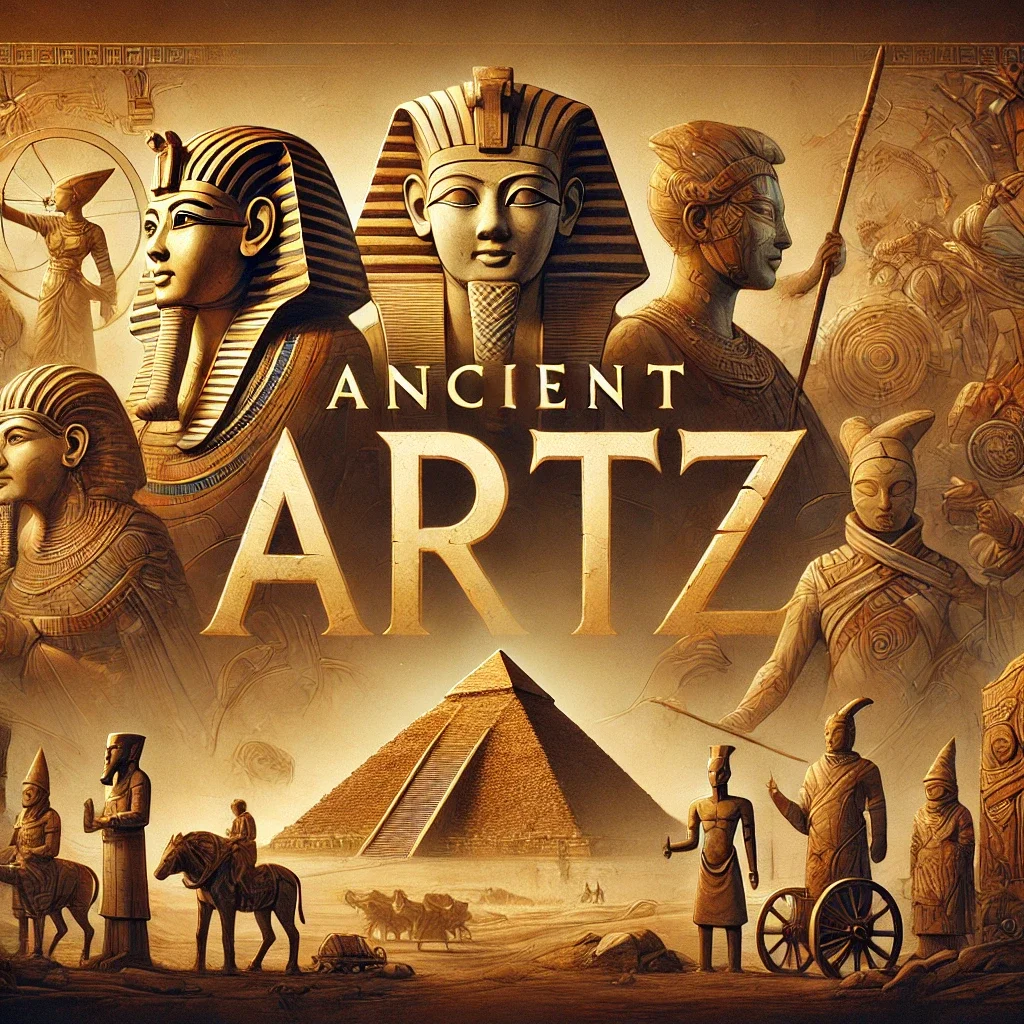
Feature image for 'Ancient Artz,' showcasing diverse ancient art forms including Egyptian pyramids, Greek statues, Chinese terracotta warriors, and Aboriginal rock paintings, with bold text 'Ancient Artz' prominently displayed.

Ancient Artz: The Timeless Beauty and Secrets of Early Human Creativity

Ancient arts is more than a glimpse into the past; it is a vivid narrative of how early civilizations expressed their culture, beliefs, and ingenuity. From cave paintings that whisper stories of survival to intricate sculptures that echo ancient deities’ grandeur, ancient art forms are humanity’s first language of expression. These artistic endeavors reveal not just aesthetics but also the emotions, aspirations, and knowledge of our ancestors.

The term “Ancient Artz” beautifully encapsulates the diversity and depth of these early creative achievements. It is a reflection of human resilience, curiosity, and the desire to communicate through visuals long before written language was commonplace. Understanding ancient art allows us to bridge the gap between the past and present, showing how creativity has always been at the core of human identity.

What Were Ancient Artists Called?

In the ancient world, artists were more than creators; they were storytellers, visionaries, and custodians of their culture. However, they were rarely referred to as “artists” in the way we use the term today. Instead, these individuals often carried titles associated with their craft or the societal role they fulfilled.

For instance, in ancient Egypt, artisans were known as hemmut, meaning “craftsmen” or “artisans.” They worked under the patronage of pharaohs or noble families and were regarded as skilled professionals, often dedicating their lives to crafting tomb paintings, statues, and intricate carvings that carried religious and cultural significance.

Similarly, in Mesopotamia, creators were often referred to by their specific expertise, such as silu, or sculptors, and gudapsu, meaning those who worked with metals. These creators were seen as both practical workers and spiritual mediators, as much of their work revolved around creating objects for worship.

In ancient Greece, individuals who sculpted or painted were often categorized as craftsmen rather than celebrated as individual artists. The term technites was commonly used, emphasizing the technical skill required for their work. Despite the lack of personal fame, their contributions laid the foundation for Western art as we know it.

Moving to Asia, in ancient China, artisans and creators were often part of a larger guild or school system, and their work was viewed as a collaborative effort that served the emperor, religion, or community. Terms like gong (worker) or jiang (craftsman) highlighted the integration of artistry into daily life and functional roles.

While ancient artists were rarely celebrated as individuals, their collective works became timeless. These artisans embodied the spirit of their cultures, blending skill, tradition, and innovation to create enduring legacies. Today, the term “artist” has evolved, but its essence remains deeply rooted in the contributions of these ancient creators.

What Is the Summary of Ancient Art?

Ancient artz is a visual language that transcends time, offering a profound insight into the lives, beliefs, and aspirations of early civilizations. From the earliest cave paintings to monumental sculptures, this form of expression captures the essence of humanity’s journey through history.

At its core, ancient art is characterized by its functionality and purpose. Unlike modern art, which often prioritizes personal expression, ancient art served specific societal roles. It was deeply intertwined with religion, politics, and daily life. Whether adorning temple walls, commemorating rulers, or honoring deities, each creation was imbued with meaning.

Key highlights of ancient art include:

  1. Symbolism and Storytelling: Art was a medium to communicate complex ideas and narratives. Cave paintings in Lascaux, France, depicted hunting scenes, while Egyptian hieroglyphs narrated the lives of pharaohs and their divine connections.
  2. Cultural Identity: Each civilization had its unique artistic style. The geometric patterns of Greek pottery, the realism of Roman portraiture, and the spirituality of Indian sculptures reflected their distinct cultures.
  3. Materials and Techniques: Ancient artists displayed remarkable ingenuity in using available materials like stone, clay, metal, and pigments. For instance, the bronze work of the Shang Dynasty and the marble sculptures of classical Greece demonstrate the high level of technical expertise.
  4. Universal Themes: Across different cultures, certain themes persisted, such as life, death, nature, and the divine. These themes not only reflect shared human concerns but also highlight the interconnectedness of civilizations.

Ancient artz, therefore, is not merely a collection of old artifacts. It is a testament to the human spirit, showcasing how creativity has been a vital part of our evolution. By studying these works, we can appreciate the innovation and resilience of those who came before us, while finding inspiration in their ability to capture the beauty and complexity of their world.

What Are the Ancient Forms of Art?

Ancient artz manifests in a variety of forms, each reflecting the creativity and ingenuity of early human societies. These forms range from functional artifacts to profound expressions of spirituality and cultural identity. Here’s a closer look at the key ancient art forms:


1. Cave Paintings and Rock Art

Overview:
Cave paintings and rock carvings represent some of the earliest known art forms, dating back tens of thousands of years. Found in places like Lascaux in France and Altamira in Spain, these works often depict animals, hunting scenes, and abstract patterns.

Purpose:

  • Likely served ritualistic or spiritual functions.
  • Acted as a form of storytelling or communication.

Notable Example:
The Chauvet Cave in France, featuring sophisticated depictions of lions, rhinoceroses, and other animals, dating back approximately 30,000 years.


2. Sculpture

Overview:
Sculptures in ancient artz range from small figurines to colossal statues. They were crafted from materials such as stone, clay, bronze, and wood.

Purpose:

  • Represented gods, rulers, and mythical beings.
  • Served as offerings or symbols of power.

Notable Example:
The Great Sphinx of Giza, a monumental limestone statue representing a pharaoh with a lion’s body, symbolizing strength and wisdom.


3. Pottery and Ceramics

Overview:
Pottery was both functional and decorative. Ancient pottery often featured intricate designs and patterns, reflecting cultural values and daily life.

Purpose:

  • Used for storage, cooking, and rituals.
  • Served as a canvas for storytelling through painted motifs.

Notable Example:
Greek red-figure pottery, which portrayed scenes from mythology and daily life with incredible detail.


4. Architecture

Overview:
Architectural creations from ancient times were often grand and enduring, designed to serve religious, civic, or commemorative purposes.

Purpose:

  • Temples and pyramids celebrated the divine.
  • Palaces and tombs reflected political power and cultural pride.

Notable Example:
The Parthenon in Athens, Greece, is a prime example of classical architecture dedicated to the goddess Athena.


5. Jewelry and Decorative Arts

Overview:
Jewelry and decorative items were crafted from precious metals, stones, and other materials, showcasing the artistic sophistication of ancient cultures.

Purpose:

  • Symbolized wealth, status, and religious beliefs.
  • Often served as talismans or offerings to gods.

Notable Example:
The treasures of Tutankhamun’s tomb in Egypt, including the iconic gold mask.


6. Textiles and Weaving

Overview:
While less commonly preserved, textiles and woven materials were significant in ancient art. They often featured vibrant patterns and complex techniques.

Purpose:

  • Used in clothing, ceremonies, and as trade goods.
  • Expressed cultural identity through patterns and dyes.

Notable Example:
Peruvian textiles from the Nazca culture, known for their colorful and symbolic designs.


7. Metalwork and Tools

Overview:
Metal objects, including weapons, tools, and decorative items, were crafted with remarkable skill. Gold, bronze, and iron were commonly used.

Purpose:

  • Combined functionality with artistic embellishment.
  • Displayed status and craftsmanship.

Notable Example:
The bronze ritual vessels of the Chinese Shang Dynasty, intricately decorated with symbolic motifs.


These diverse forms of ancient art illustrate how creativity permeated every aspect of life, from survival and utility to spirituality and legacy. Each form is a window into the minds and hearts of early civilizations, reminding us of the enduring power of art to connect humanity across millennia.

Where Is Ancient Art From?

Ancient art originates from nearly every corner of the world, reflecting the cultural diversity and ingenuity of early human civilizations. Each region contributed uniquely to the global tapestry of ancient artistic expression, shaped by its environment, beliefs, and societal structure. Let’s explore the key origins of ancient art:


1. Africa

Africa, often considered the cradle of humanity, is home to some of the oldest art forms in existence.

  • Highlights:
    • Cave Art in South Africa: The Blombos Cave, with its engraved ochre pieces, dates back nearly 100,000 years.
    • Egyptian Art: Monumental works such as the Great Pyramids, sphinxes, and intricate hieroglyphics define the sophistication of ancient Egyptian culture.
  • Key Characteristics:
    • Strong ties to spirituality and the afterlife.
    • A focus on symmetry, symbolism, and monumental scale.

2. Mesopotamia (Modern-Day Iraq and Surrounding Regions)

Known as the “Cradle of Civilization,” Mesopotamia introduced some of the earliest examples of structured art and architecture.

  • Highlights:
    • Ziggurats, such as the Great Ziggurat of Ur.
    • Cylinder seals, intricately carved and used to mark documents or goods.
  • Key Characteristics:
    • Themes of power, divinity, and daily life.
    • Early use of storytelling through bas-reliefs and inscriptions.

3. Europe

European ancient art spans from prehistoric cave paintings to the refined sculptures of ancient Greece and Rome.

  • Highlights:
    • Prehistoric Cave Paintings: Found in Lascaux (France) and Altamira (Spain).
    • Greek and Roman Art: Masterpieces such as the Parthenon and sculptures like Venus de Milo.
  • Key Characteristics:
    • A shift from abstract to realistic depictions of humans and gods.
    • Exploration of movement, anatomy, and balance.

4. Asia

Asia boasts a rich artistic heritage, with contributions from China, India, and other ancient civilizations.

  • Highlights:
    • China: Bronze vessels of the Shang Dynasty and the Terracotta Army.
    • India: The intricately carved temples and statues of deities from the Maurya and Gupta periods.
  • Key Characteristics:
    • Deep connections to religion and philosophy.
    • Use of natural materials and emphasis on harmony with nature.

5. The Americas

Ancient art in the Americas reflects the creativity and ingenuity of indigenous cultures.

  • Highlights:
    • The monumental architecture of the Mayans and Aztecs, such as Chichen Itza and Teotihuacan.
    • The Nazca Lines in Peru, vast geoglyphs etched into the desert.
  • Key Characteristics:
    • Symbolic representations of gods, nature, and astronomy.
    • Use of vibrant colors and geometric patterns.

6. Oceania

The art of Oceania includes works from Australia, Polynesia, and surrounding regions.

  • Highlights:
    • Aboriginal rock art in Australia, some of which dates back over 60,000 years.
    • Polynesian carvings and tattoo art.
  • Key Characteristics:
    • Focus on spirituality and ancestral connections.
    • Use of local materials like wood, stone, and natural pigments.

A Global Mosaic of Creativity

The origins of ancient art span continents, showcasing the universality of human creativity. Each region’s art reflects its unique culture and environment, yet they all share a common thread: the desire to express, preserve, and communicate. This interconnectedness reminds us that art is not just a product of its time but a timeless bridge between past and present.

The Cultural Significance of Ancient Art

Ancient art is more than a reflection of aesthetic sensibilities; it is a cornerstone of human history and culture. It reveals how early civilizations interpreted their world, structured their societies, and expressed their spiritual beliefs. Here’s an in-depth look at the cultural significance of ancient art:


1. A Mirror of Beliefs and Spirituality

Ancient art was deeply entwined with religion and spirituality. It served as a medium to honor deities, narrate creation myths, and perform rituals.

  • Examples:
    • The intricate wall paintings in Egyptian tombs depict the journey to the afterlife, emphasizing the soul’s immortality.
    • Buddhist stupas in India and Southeast Asia symbolize enlightenment and the Buddha’s teachings.
  • Significance:
    • These works reflect the core values and spiritual aspirations of ancient societies.

2. A Record of Daily Life and Practices

Art provides a visual record of how ancient people lived, worked, and celebrated.

  • Examples:
    • Greek pottery often depicted scenes of daily life, such as athletic competitions and social gatherings.
    • Roman mosaics showcased landscapes, feasts, and theatrical performances.
  • Significance:
    • These depictions give us a clearer understanding of societal roles, traditions, and the material culture of the time.

3. A Tool for Power and Propaganda

Art was frequently employed to assert authority and reinforce political power.

  • Examples:
    • The colossal statues of pharaohs in Egypt, such as the statues of Ramses II at Abu Simbel, projected divine rulership and strength.
    • The reliefs on the walls of the Persian palace at Persepolis glorified the king’s accomplishments and the empire’s unity.
  • Significance:
    • Such works reinforced the social hierarchy and legitimized the rule of elites.

4. A Testament to Technological Advancement

The materials and methods used in ancient artz highlight the technological progress of civilizations.

  • Examples:
    • The use of bronze in Shang Dynasty ritual vessels showcases advanced metallurgy.
    • Roman aqueducts and architectural feats like the Colosseum reflect their engineering prowess.
  • Significance:
    • Ancient art demonstrates humanity’s ability to innovate and adapt to their environments.

5. A Celebration of Nature and the Cosmos

Many ancient works were inspired by the natural world and celestial phenomena.

  • Examples:
    • The Nazca Lines in Peru align with astronomical events and feature designs of animals and plants.
    • Early cave art often focused on animals, emphasizing their importance in survival and mythology.
  • Significance:
    • These creations reflect a deep respect for and curiosity about the natural world and its mysteries.

6. A Source of Cultural Identity

Art was a unifying force within civilizations, embodying their shared values and aspirations.

  • Examples:
    • In Mesopotamia, cylinder seals engraved with unique designs were used as personal identifiers and symbols of status.
    • The Maori carvings of New Zealand preserved ancestral stories and cultural heritage.
  • Significance:
    • Art helped preserve and transmit cultural identity across generations.

The cultural significance of ancient art lies in its ability to bridge the gap between the past and present. It is a testament to human creativity, resilience, and the universal need to express and connect. By studying these works, we gain a deeper appreciation of our shared heritage and the profound ways in which art shapes and reflects society.

A Legacy That Endures

The cultural significance of ancient art lies in its ability to bridge the gap between the past and present. It is a testament to human creativity, resilience, and the universal need to express and connect. By studying these works, we gain a deeper appreciation of our shared heritage and the profound ways in which art shapes and reflects society.

Modern Interpretations and Influence of Ancient Artz

Ancient art continues to inspire and shape the modern world in profound ways. It serves as a wellspring of ideas for contemporary artists, architects, and designers, reflecting the timeless nature of human creativity. Here’s how ancient art resonates in today’s culture:


1. Inspiring Modern Art Movements

Ancient art has directly influenced numerous modern artistic styles and movements, with contemporary creators often drawing upon its forms, techniques, and symbolism.

  • Examples:
    • The clean lines and proportionality of Greek sculptures inspired the Renaissance masters like Michelangelo and Leonardo da Vinci.
    • The abstract patterns of Aboriginal rock art resonate in modern abstract expressionism.
  • Impact:
    • Ancient art provides a foundation for exploring universal themes such as identity, spirituality, and human connection.

2. Architectural Legacy

The grandeur and ingenuity of ancient architecture continue to influence the built environment of today.

  • Examples:
    • Neoclassical architecture, seen in iconic structures like the U.S. Capitol Building, draws heavily from Roman and Greek design principles.
    • The use of domes, columns, and arches in contemporary designs harks back to ancient innovations.
  • Impact:
    • These elements blend historical reverence with modern functionality, creating a sense of continuity and cultural depth.

3. Revival in Decorative Arts and Fashion

Ancient motifs, patterns, and materials have found their way into modern design, from interior decor to haute couture.

  • Examples:
    • Egyptian-inspired jewelry featuring motifs like scarabs and the Eye of Horus remains a popular choice.
    • Fashion houses often integrate patterns and colors inspired by ancient civilizations, such as intricate Persian designs or Aztec geometric patterns.
  • Impact:
    • These revivals celebrate the artistry of ancient times while adapting them to contemporary tastes.

4. Digital Preservation and Reimagining

Technology has opened new avenues for interpreting and preserving ancient art.

  • Examples:
    • Digital reconstructions of ancient sites, like Pompeii or the Parthenon, allow people worldwide to experience these wonders virtually.
    • Video games and movies incorporate ancient themes and aesthetics, such as in games like Assassin’s Creed or movies like Gladiator.
  • Impact:
    • These innovations make ancient art accessible to broader audiences, ensuring its continued relevance and appreciation.

5. Educational and Cultural Significance

Ancient artz serves as a tool for education, fostering cross-cultural understanding and appreciation.

  • Examples:
    • Museums like the British Museum and the Louvre exhibit ancient artifacts, connecting visitors with the past.
    • Art history curricula emphasize ancient art as the foundation of global cultural development.
  • Impact:
    • This promotes global citizenship and an appreciation for the shared history of humanity.

6. Sustainability and Timeless Craftsmanship

The resourcefulness and durability of ancient artistic techniques have inspired modern sustainable practices.

  • Examples:
    • The use of natural pigments and materials in ancient art encourages contemporary artists to explore eco-friendly alternatives.
    • Ancient methods of construction, such as adobe building in ancient Peru, are experiencing a revival in sustainable architecture.
  • Impact:
    • These practices demonstrate the lasting relevance of ancient innovation in addressing today’s challenges.

Bridging Past and Present

Modern interpretations of ancient art highlight its enduring relevance and universal appeal. By revisiting the artistic achievements of early civilizations, we gain inspiration to innovate while staying rooted in timeless principles. Ancient art is not just a relic of history; it is a living dialogue that connects the past with the present.

Conclusion

Ancient artz is a timeless testament to human ingenuity, creativity, and the need to express and communicate. It transcends geographical boundaries and cultural differences, offering a window into the lives, beliefs, and aspirations of our ancestors. From the intricate carvings of ancient temples to the vibrant cave paintings of prehistoric times, these masterpieces reveal a shared human desire to explore, innovate, and leave a lasting legacy.

Today, ancient art continues to inspire and influence modern culture, architecture, fashion, and technology. By studying and preserving these artistic treasures, we honor the achievements of early civilizations while gaining insights into the foundations of human creativity. Ancient art is not merely a reflection of the past but a bridge to understanding our collective heritage and a source of inspiration for the future.


FAQs

1. What were ancient artists called?

Ancient artists were often referred to by their craft or role within their society rather than as “artists.” In Egypt, they were called hemmut (craftsmen); in Mesopotamia, terms like silu (sculptor) were used. In Greece, the term technites (craftsman) was common.


2. What is the purpose of ancient art?

The primary purposes of ancient art were functional and symbolic. It served religious, ceremonial, and political functions, such as honoring deities, documenting historical events, and symbolizing power and status.


3. What are the main forms of ancient art?

The main forms include:

  • Cave paintings and rock art.
  • Sculptures and carvings.
  • Pottery and ceramics.
  • Architecture (temples, pyramids, and palaces).
  • Textiles and decorative arts.
  • Metalwork and jewelry.

4. How did ancient art influence modern art?

Ancient art has significantly influenced modern art through its use of symbolism, techniques, and themes. Architectural elements like columns and domes, as well as artistic styles from classical Greece and Rome, are prominent in contemporary design.


5. Why is ancient art important today?

Ancient art helps us understand the history, culture, and beliefs of early civilizations. It inspires modern creativity, serves as a cultural bridge, and reminds us of our shared human heritage.


6. Where can I see ancient art today?

Ancient art can be seen in museums such as the Louvre, the British Museum, and the Met, as well as at archaeological sites like the Great Pyramids of Egypt, the Parthenon in Greece, and the Terracotta Army in China.

How to Choose the Best LED Monitor for Your Home Office

How to Choose the Best LED Monitor for Your Home Office

Introduction

In today’s digital world, the right computer monitor can significantly impact your productivity and overall work experience. Whether you’re working from home or running a business, investing in the right equipment is crucial. When it comes to monitors, LED technology stands out for its energy efficiency, excellent picture quality, and sleek design. But with so many options available, how do you choose the best one for your needs? In this guide, we’ll explore the factors to consider when buying an LED monitor, focusing on the AOC 24B3HM LED Monitor, which stands out as a top choice for various tasks.

1. Understanding LED Monitor Technology

Pcredcom have become the go-to choice for many consumers and businesses due to their vibrant colors, energy-saving features, and long lifespan. LED stands for “Light Emitting Diode,” and these monitors are known for providing clearer images compared to older LCD models. Additionally, they are thinner, lighter, and more eco-friendly, making them a popular choice for consumers looking to reduce their carbon footprint.

Key Advantages of LED Monitors:

  • Vibrant Color Reproduction: LED monitors offer better contrast ratios, delivering bright, vivid colors.
  • Energy Efficiency: They consume less power compared to traditional LCD monitors, making them environmentally friendly.
  • Slim Design: LED monitors are generally thinner and lighter than their predecessors, taking up less space on your desk.

2. What to Look for in an LED Monitor for Your Home Office

When selecting an LED monitor for your home office, there are several factors you need to consider to ensure you’re getting the best performance and value for your money.

Resolution
Resolution is a key factor in determining the clarity of the images on your monitor. For most users, a Full HD resolution (1920 x 1080) is sufficient. This resolution is perfect for general office work, browsing the internet, and even enjoying high-definition videos. Monitors with higher resolutions, such as 4K or 1440p, are more suitable for graphic design or video editing.

Screen Size
The size of the monitor will directly impact your experience. For general office work, a monitor between 24 inches and 27 inches is typically ideal. It offers a good balance of screen real estate while not taking up too much desk space.

Panel Type
LED monitors come with different panel types such as VA, IPS, and TN. VA (Vertical Alignment) panels, like the one in the AOC 24B3HM, offer high contrast ratios and deeper blacks, making them perfect for multimedia consumption and gaming. If color accuracy and wide viewing angles are essential, an IPS (In-Plane Switching) panel might be the best option.

Connectivity
Ensure that the monitor you choose offers multiple connectivity options. HDMI, VGA, and DisplayPort are the most common inputs, allowing you to connect various devices such as laptops, desktop computers, or even gaming consoles.

3. Why Choose the AOC 24B3HM LED Monitor?

One standout product in the market is the AOC 24B3HM LED Monitor, which is highly regarded for its performance and affordability. Here’s why it might be the right choice for you:

  • Full HD 1920 x 1080 Resolution: This resolution ensures sharp, detailed images for any task, whether you’re working on documents, browsing the web, or watching videos.
  • 24-Inch Screen Size: The 24-inch display is perfect for most office tasks, providing enough screen space without overwhelming your desk.
  • VA Panel: The VA panel offers a high contrast ratio of 20,000,000:1, ensuring deep blacks and vibrant colors, perfect for media consumption and casual gaming.
  • Connectivity Options: With HDMI and VGA inputs, this monitor is compatible with a wide range of devices, from laptops to desktop PCs.
  • 75Hz Refresh Rate: With a refresh rate of 75Hz, the AOC 24B3HM offers smooth scrolling and a better experience when watching videos or playing light games.

The AOC 24B3HM also boasts a response time of just 4ms, which helps reduce motion blur, making it ideal for fast-paced tasks and gaming. Furthermore, its VESA compatibility allows for easy mounting on a wall or adjustable arm, freeing up valuable desk space.

If you’re looking for a versatile, reliable, and affordable monitor for your home office, the AOC 24B3HM is definitely worth considering. Learn more about its specifications and purchase options here.

4. Tips for Setting Up Your Home Office Monitor

Once you’ve selected the perfect monitor for your home office, setting it up for maximum comfort and productivity is equally important. Here are some helpful tips:

  • Proper Ergonomics: Ensure your monitor is at eye level to reduce neck strain. Use a monitor stand or adjustable arm if necessary.
  • Reduce Eye Strain: If you’re working for long hours, adjust the brightness and contrast of your monitor to comfortable levels. Consider using blue light filters or software that adjusts the color temperature depending on the time of day.
  • Optimal Display Settings: Set your screen resolution to its native Full HD resolution for the best image quality. Also, adjust the refresh rate to the highest setting supported by both the monitor and your computer to ensure smoother performance.

5. Conclusion

Choosing the right LED monitor for your home office can make a significant difference in your overall productivity and comfort. The AOC 24B3HM LED Monitor is a great option for those looking for a high-quality display with excellent performance at an affordable price. Whether you’re working on projects, attending video conferences, or enjoying some downtime with your favorite media, the AOC 24B3HM will meet your needs with ease.

Baterías para cada necesidad: Tu tienda de confianza para todos los tipos de baterías

Baterías para cada necesidad: Tu tienda de confianza para todos los tipos de baterías

En BATERIAS ESPAÑA, nos especializamos en ofrecer baterías de alta calidad para una amplia variedad de aplicaciones, desde coches y motocicletas hasta bikes eléctricos, maquinaria modern, sistemas de energía sunlight based y mucho más. Nuestra misión es asegurarnos de que encuentres la solución de batería adecuada para cualquier dispositivo o vehículo, brindando energía duradera, rendimiento y fiabilidad.

Nos respaldamos en nuestro compromiso con la calidad, con cada batería cubierta por una garantía de un año. Nuestro eficiente servicio de envío a nivel nacional cubre toda España, asegurándote que recibirás tu batería rápidamente, estés donde estés.

Baterías de Calidad en Venta

Nuestra Gama de Productos

Cada dispositivo tiene requisitos específicos de energía y durabilidad. En BATERIAS ESPAÑA, ofrecemos una amplia selección de baterías para cubrir cualquier tipo de aplicación:

Baterías para Automóviles

Proporcionamos baterías de alta capacidad, ideales para coches de uso diario, camiones y vehículos todoterreno. Estas baterías garantizan un arranque rápido y un rendimiento confiable en cualquier clima, asegurando que tu vehículo esté siempre listo para arrancar.

Baterías para Motos

Si tienes una motocicleta, encontrarás baterías compactas para modelos estándar y de alto rendimiento para motos deportivas. Nuestra selección garantiza una carga duradera y constante para mantener tu moto en óptimas condiciones.

Baterías para Patinetas Eléctricas

Para quienes usan patinetas eléctricas, nuestras baterías de litio ofrecen una larga duración y carga rápida, ideal para más horas de uso y menos tiempo en el cargador.

Baterías para Teléfonos Móviles

Tenemos una gama de baterías de repuesto para teléfonos móviles, compatibles con las principales marcas del mercado. Esto asegura que tu dispositivo esté siempre en su máximo rendimiento, sin la necesidad de reemplazos frecuentes.

Baterías para Maquinaria Agrícola e Modern

Nuestras baterías para tractores y maquinaria pesada están diseñadas para resistir largas jornadas de trabajo en condiciones difíciles, proporcionando una potencia duradera para vehículos industriales y agrícolas.

Baterías para Energía Sun based

Para aquellos que utilizan sistemas de energía sun based, ofrecemos baterías de almacenamiento diseñadas para garantizar un suministro constante de energía, perfectas para asegurar que nunca te falte electricidad, incluso fuera de red.

Innovación y Nuevas Tecnologías

Nos mantenemos a la vanguardia de las nuevas tecnologías en baterías. Contamos con una selección que incluye:

•           Baterías de plomo-ácido

•           Baterías AGM y de gel

•           Baterías de litio de última generación

Cada tipo de batería ofrece ventajas distintas en cuanto a vida útil, rendimiento y mantenimiento, proporcionando opciones ideales tanto para vehículos eléctricos como para sistemas de energía renovable.

Baterías de Ión-Litio

Las baterías de ión-litio están revolucionando la industria con su alta densidad de energía y su capacidad de recarga rápida. Se utilizan ampliamente en teléfonos móviles, PCs y vehículos eléctricos debido a su eficiencia y tamaño compacto.

Baterías de Plomo-Ácido

Las baterías de plomo-ácido, utilizadas comúnmente en automóviles y camiones, child conocidas por su durabilidad y fiabilidad. Aunque más pesadas, child una opción económica y efectiva para muchas aplicaciones.

Asesoramiento Especializado

Sabemos que elegir la batería adecuada puede ser complicado. Nuestro equipo de asesores está disponible para ayudarte a seleccionar la batería perfecta para tu vehículo o equipo. No fellows en contactarnos para recibir orientación y aclarar cualquier duda.


Conclusión

En BATERIAS ESPAÑA, somos tu socio confiable para soluciones de energía. Desde baterías para automóviles y maquinaria modern hasta opciones para energía sun based, garantizamos productos de calidad con envíos rápidos y soporte. Explora nuestro catálogo y descubre cómo nuestras baterías pueden mejorar el rendimiento de tu equipo.

Preguntas Frecuentes (FAQs)

1. ¿Qué tipos de baterías ofrecen?

Ofrecemos una amplia variedad de baterías, que incluyen opciones para coches, motocicletas, patinetas eléctricas, teléfonos móviles, maquinaria modern y sistemas de energía sun oriented. Nuestra gama incluye baterías de plomo-ácido, AGM, de gel y de particle litio, asegurando que tenemos la solución adecuada para cada aplicación.

2. ¿Cómo puedo saber cuál es la batería adecuada para mi vehículo o dispositivo?

Nuestro equipo de expertos está disponible para ayudarte a seleccionar la batería adecuada según tus necesidades específicas. Puedes ponerte en contacto con nosotros para recibir asesoramiento personalizado y asegurar que elijas una batería que proporcione el rendimiento que necesitas.

3. ¿Ofrecen garantía en sus baterías?

Sí, todas nuestras baterías cuentan con una garantía de 1 año. Esto significa que si flood algún problema con la batería, puedes obtener soporte y una solución rápida para que tu dispositivo vuelva a funcionar.

4. ¿Puedo comprar una batería desde cualquier parte de España?

Sí, realizamos envíos a toda España, tanto a áreas urbanas como rurales. Nos aseguramos de que recibas tu batería donde la necesites en el menor tiempo posible.

5. ¿Ofrecen baterías para sistemas de energía renovable?

Sí, disponemos de baterías diseñadas específicamente para sistemas de energía sun oriented y otras aplicaciones de energía renovable. Estas baterías están optimizadas para almacenar energía de manera eficiente y asegurar un suministro constante cuando ocean necesario.

Is a Beginner Welder MIG or TIG ?

Is a Beginner Welder MIG or TIG?

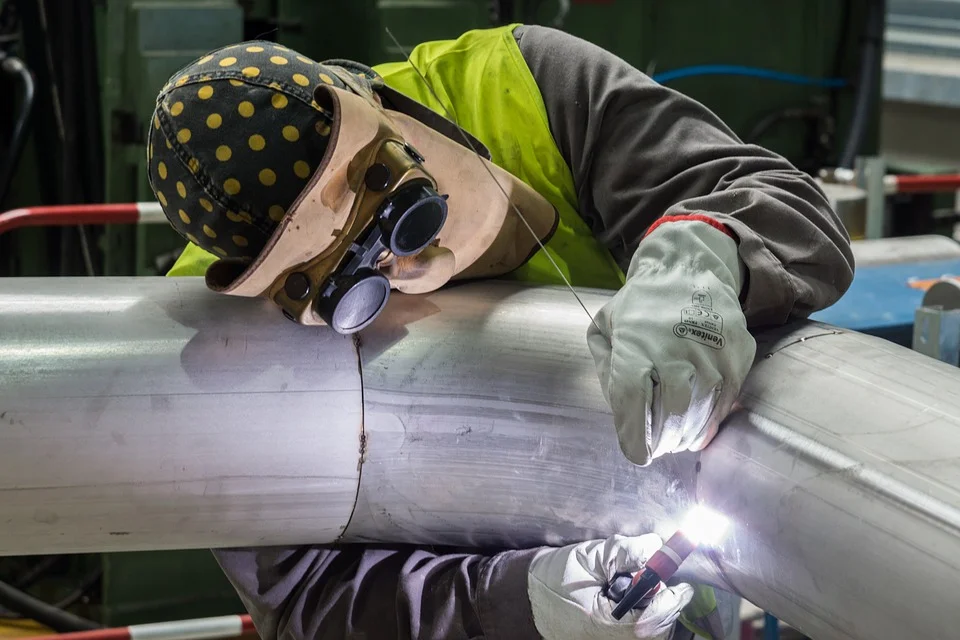
If you’re new to welding, you might be wondering whether MIG or TIG welding is the better choice for beginners. Both methods are widely used, but they differ significantly in terms of difficulty, technique, and the type of projects you might tackle. MIG welding (Metal Inert Gas) is often considered more beginner-friendly because it uses a continuous wire feed, making the process faster and easier to learn. 

On the flip side, TIG welding (Tungsten Inert Gas) offers greater precision and control but requires more skill and patience, as you need to manually feed the filler rod while controlling the heat with a foot pedal. In this article, we’ll break down the key differences between MIG and TIG welding, helping you decide which method is the best starting point for your welding journey.

What’s the Difference Between MIG and TIG Welders?

Choosing between MIG and TIG welding as a beginner can be challenging, but understanding their differences can help you make the right choice. Both welding methods have unique working principles, costs, and applications, but they also differ in terms of ease of use, speed, and precision.

Working Principle

The working principle is one of the major distinctions between MIG and TIG welding:

  • MIG welding uses a continuous wire electrode fed through the welding gun. The wire melts and joins the materials, while an inert gas (like argon or CO2) protects the weld from contamination. The wire feed system allows you to weld quickly and efficiently, making it ideal for larger projects or when speed is a priority.
  • TIG welding, on the other hand, uses a tungsten electrode that creates the arc, but the electrode does not melt. You manually feed the filler rod into the weld pool while controlling the heat with a foot pedal. This method offers more control and precision, making it perfect for thin materials or projects requiring detailed work.

Cost

Cost is another crucial factor when deciding between MIG and TIG welding.

  • MIG welding tends to be more affordable for both the equipment and consumables (wire and gas). The welding process is faster, which reduces overall labor costs, making it a cost-effective option for larger jobs.
  • TIG welding typically involves higher costs due to the specialized equipment required, such as the foot pedal and tungsten electrode. Additionally, the slower welding process and the precision required mean you might use more consumables (such as gas) and time, adding to the overall cost.

Ease of Use

When it comes to ease of use, MIG welding is the clear winner for beginners.

  • MIG welding is easier to learn because you only need to control the speed and movement of the welding gun, with the machine automatically feeding the wire. The learning curve is short, making it ideal for those new to welding who want to quickly produce clean, strong welds.
  • TIG welding, by contrast, requires you to coordinate several factors at once—feeding the filler rod, controlling the heat with the foot pedal, and positioning the torch. While it offers more control, the process is slower and harder to master, making it more challenging for beginners.

Speed

Speed is another area where MIG welding outshines TIG welding.

  • MIG welding is faster because the wire feed continuously supplies the material, allowing you to cover more area quickly. This makes it ideal for large projects or when you need to get the job done in a shorter amount of time.
  • TIG welding, although more precise, is slower. The manual control of the filler rod and the foot pedal requires you to move more slowly and carefully, making TIG better suited for detailed or delicate projects rather than high-speed production.

Versatility

When comparing versatility, TIG welding tends to have an edge due to its ability to handle a wider range of materials.

  • TIG welding excels in working with thin materials and offers more control for welding aluminum, stainless steel, and even exotic alloys. It’s often used for projects in industries like aerospace, automotive, and artistic metalwork, where high precision is essential.
  • MIG welding, while versatile, is more commonly used for thicker materials like steel and aluminum and is ideal for large-scale projects, such as construction or fabrication.

Weld Quality

In terms of weld quality, TIG welding is often the superior choice due to its precision.

  • TIG welding produces cleaner, more aesthetically pleasing welds with minimal spatter. The controlled heat and the manual feeding of the filler rod make it ideal for projects where the appearance of the weld is important. The precision of TIG also makes it better for avoiding warping or distortion in thin metals.
  • MIG welding, though easier, tends to produce more spatter and less aesthetically perfect welds. It’s still strong and effective, but the welds may not be as smooth or clean as those created with TIG welding.

Contrast table showing differences between MIG vs TIG welding

Aspect MIG WeldingTIG Welding
Working PrincipleUses a continuous wire feed that melts to join metalUses a tungsten electrode with manual filler rod control
Cost More affordable in terms of equipment and consumablesHigher cost due to specialized equipment and slow process
Ease of UseEasier to learn, beginner-friendlyHarder to master, requires more skill and coordination
Speed Faster welding, ideal for large projectsSlower process, better for detailed and delicate work
Versatility Better for thicker metals like steel and aluminumWorks well with thin metals and exotic alloys, more precise
Weld QualityProduces strong welds but more spatter, less cleanCreates cleaner, aesthetically pleasing welds with minimal spatter
Materials Best for mild steel, aluminum, and stainless steelWorks well with a wider variety of metals, including titanium and magnesium
Typical ApplicationsConstruction, automotive repair, general fabricationAerospace, automotive, artistic metalwork, high-precision projects

MIG vs TIG: Which One is More Suitable for a Beginner Welder?

When choosing between MIG and TIG welding as a beginner, it’s essential to consider your learning curve, project needs, and how quickly you want to start seeing results. For most beginners, MIG welding is generally the more suitable option.

MIG welding is widely regarded as the easier method to learn because it’s more forgiving and requires less coordination. The continuous wire feed means you don’t have to worry about managing multiple elements like feeding a filler rod or controlling a foot pedal. With MIG, you can focus on guiding the welding gun, making it a simpler process to pick up and master. This allows you to produce clean, strong welds without needing to develop the intricate skills required by TIG welding. If you’re working on general projects or larger tasks, MIG welding is faster and more efficient for beginners.

On the other hand, TIG welding is more challenging because you need to coordinate the torch, filler rod, and foot pedal to control the heat and speed. This makes it harder for beginners to master, as the process demands higher precision and control. While TIG offers excellent results in terms of weld quality and is ideal for detailed, delicate work, the learning curve is steep, and it takes more time to become proficient.

Finally, if you’re just starting out, MIG welding is the better choice for its ease of use, speed, and ability to get you up and running quickly. Once you’ve gained more experience and want to take on more intricate work, TIG welding will be a valuable skill to add to your toolkit.

Conclusion

When deciding between MIG and TIG welding, it’s essential to consider your skill level, project needs, and the kind of work you’ll be doing. For beginners, MIG welding is typically the better option due to its simplicity, ease of learning, and speed. On the other hand, TIG welding offers greater precision and cleaner results but requires more skill and practice. Both methods have their advantages, and as you progress, mastering both can open up a world of possibilities. Whether you’re choosing between a MIG vs TIG welder machine, pick the one that aligns with your current and future goals.

Mistakes to Avoid When Working with a Car Accident Lawyer

 Mistakes to Avoid When Working with a Car Accident Lawyer

Introduction: The importance of hiring a car accident lawyer

Car accidents can turn your life upside down in an instant. The aftermath is often overwhelming, filled with pain, confusion, and the daunting task of navigating insurance claims. This is where a skilled car accident lawyer steps in to help you regain control. Hiring the right attorney can significantly impact the outcome of your case, ensuring you receive fair compensation for your injuries and losses. However, many people make crucial mistakes during this process that can jeopardize their chances of success.

Understanding these common pitfalls will empower you to work effectively with a lawyer and secure the best possible results for your situation. Let’s dive into some missteps to avoid when you’re working with a car accident lawyer so you can confidently move forward on the path to recovery.

Common mistakes people make when working with a car accident lawyer;

Many individuals make critical errors when engaging with a car accident lawyer. One frequent mistake is not conducting adequate research before hiring. This can lead to choosing someone who lacks the necessary expertise.

– Not doing enough research before hiring one

Hiring a car accident lawyer is a crucial decision that requires careful consideration. Many people rush into this choice without doing proper research, which can lead to regrettable outcomes.

A lack of research means you might miss out on finding the best fit for your specific case. Each lawyer has their strengths and weaknesses based on experience, specialty, and past performance. Skipping this step may result in hiring someone who isn’t equipped to handle your situation effectively. Take time to read reviews, check credentials, and ask for referrals from trusted sources. A well-informed decision ensures you’re not just another client but rather a priority in your lawyer’s caseload.

Remember that every detail matters when it comes to legal representation; don’t leave yours up to chance by neglecting thorough research. Your future could depend on choosing wisely from the start.

– Choosing a lawyer solely based on their advertisements or low fees

Choosing a lawyer based solely on flashy advertisements or low fees can be a slippery slope. It’s easy to be lured in by promises of quick settlements and dramatically reduced legal costs. However, these factors don’t always reflect the quality or effectiveness of their service.

A well-crafted ad does not guarantee expertise or success in handling your case. You might find that some lawyers invest more in marketing than honing their skills. Inexperienced attorneys may struggle with complex cases, ultimately costing you more time and money. Low fees can also indicate a lack of experience or resources. Sometimes, those who charge less do so because they are unable to attract clients through reputation alone. This could lead to inadequate representation when you need it the most.

Take the time to look beyond surface-level promotions. A comprehensive review of qualifications, client testimonials, and past outcomes will serve you much better than any catchy slogan.

– Not communicating effectively with the lawyer

Effective communication is vital when working with a car accident lawyer. Failing to express your thoughts or concerns can lead to misunderstandings and missed opportunities.

Many clients assume their lawyer knows everything without sharing details about their case. This assumption can jeopardize the entire process. Be open about any changes in your situation, even minor ones. Regular updates are equally important. If you receive new information or evidence, inform your lawyer as soon as possible. Timely communication helps them build a stronger case on your behalf.

Don’t hesitate to ask questions if something isn’t clear. Your understanding of the legal process affects not just your confidence but also the decisions made along the way.

Remember that you and your lawyer are partners in this journey. Clear dialogue fosters trust and ensures both parties are aligned toward achieving the best outcome for your case.

– Failing to provide all necessary information and evidence

One of the most critical elements in a successful case is transparency. When you hire a car accident lawyer, they rely heavily on the information you provide. If you’re withholding details or not sharing essential evidence, it can cripple your case.

Every piece of information matters. From eyewitness accounts to medical records, each detail helps build a clearer picture of what happened. Without complete data, your lawyer may struggle to craft an effective strategy. Furthermore, failing to disclose relevant facts can lead to complications later on. The opposing party might uncover these inconsistencies and use them against you. This could jeopardize any compensation you hope to receive.

So, be open and thorough when communicating with your attorney. Your honesty will empower them to advocate more effectively on your behalf.

– Not following the advice and instructions of the lawyer

Ignoring your lawyer’s advice can be a costly mistake. They have the expertise and experience to navigate the complexities of car accident cases. When you dismiss their guidance, you risk jeopardizing your chances for a favorable outcome.

Your attorney knows what evidence is necessary, how to negotiate with insurance companies, and when to settle or go to trial. By not following their instructions, you may overlook critical steps that could strengthen your case. Additionally, every decision made throughout the process impacts your claim. Whether it’s about communication with other parties or gathering documentation, trust in their strategies is essential. 

Working collaboratively ensures that you’re on the right path toward receiving fair compensation for your injuries and losses. Remember that they are advocating for you; take advantage of their knowledge rather than working against it.

The consequences of these mistakes;

Making mistakes when working with a car accident lawyer can lead to significant setbacks. One common consequence is a weaker case, which may diminish your chances of securing fair compensation.

When clients fail to communicate effectively, crucial details can be missed. This lack of information often results in delays and misunderstandings that could jeopardize the entire process. Choosing a lawyer based solely on cost or flashy advertisements might mean sacrificing experience and expertise. The wrong choice can lead to inadequate representation during negotiations or trials.

Not following your lawyer’s advice may also hinder progress. Ignoring their instructions could cause critical deadlines to be missed or important evidence overlooked. Each misstep not only complicates the legal journey but can also affect emotional well-being. Stress from prolonged cases often stems from avoidable errors that spiral into larger issues down the line.

Tips for avoiding these mistakes;

Research is crucial. Before hiring a car accident lawyer, take time to explore their background and reputation. Check online reviews, testimonials, and case histories. Look for someone who specializes in your type of case.

– Researching and choosing a reputable and experienced lawyer

Finding the right car accident lawyer is crucial. Start by asking friends and family for recommendations. Personal experiences can guide you toward trustworthy professionals.

Next, look up online reviews and ratings. Websites dedicated to legal services often have valuable insights from previous clients. Pay attention to their experiences and outcomes. Once you’ve shortlisted a few candidates, check their qualifications. Ensure they specialize in personal injury law, particularly car accidents. Experience in handling cases similar to yours can make a significant difference.

Don’t hesitate to ask potential lawyers about their track record during initial consultations. This conversation will help you gauge their expertise and approach to your case. Finally, trust your instincts when making a decision. A good rapport with your lawyer fosters open communication, which is vital for navigating the complexities of your case effectively.

– Communicating effectively and providing all necessary information

Clear communication is essential when working with a car accident lawyer. Your attorney needs to understand the specifics of your case, including every detail about the accident and its aftermath. 

Start by providing a comprehensive account of what happened. Include dates, times, locations, and any conversations you had with other parties involved. Keep lines of communication open throughout the legal process. Regular updates on your status or changes in your circumstances can significantly impact how effectively your lawyer can represent you. Don’t hesitate to ask questions if something isn’t clear. Understanding legal terminology and procedures is crucial for staying informed.

Additionally, gather all relevant documents—police reports, medical records, insurance information—and share them promptly. This ensures that your lawyer has everything they need to build a strong case on your behalf.

– Trusting and following the guidance of the lawyer

Trusting your car accident lawyer is crucial. They bring expertise and experience to the table, navigating complex legal waters that can be overwhelming for clients.

When you hire a lawyer, they assess your case’s specifics and develop a strategy tailored to your needs. Their guidance is based on years of training and real-world scenarios. Ignoring their advice can impede your chances of success. Open communication fosters trust. Share your concerns; ask questions about their recommendations. A good lawyer will clarify any confusion and help you understand the rationale behind their strategies.

Following through with their instructions ensures you’re aligned throughout the process. Whether it’s gathering evidence or attending appointments, each step matters in building a strong case. Remember, this partnership relies on mutual respect and confidence in one another’s roles within the legal journey ahead. Your commitment to trusting them is key to achieving a favorable outcome.

Conclusion:

           Hiring a car accident lawyer can be a critical step toward achieving justice and compensation after an incident. However, the process of working with them is just as important as the initial choice to hire one. By steering clear of common pitfalls—such as inadequate research, poor communication, and not following their guidance—you set yourself up for success.

The outcome of your case often hinges on how well you collaborate with your attorney. Building trust and maintaining open lines of communication will enhance the effectiveness of your representation. Remember that every detail matters. Providing complete information ensures that your lawyer has all the tools needed to advocate for you effectively.

By avoiding these mistakes and taking a proactive approach to your legal journey, you’re more likely to achieve a favorable resolution in your case. Ultimately, it’s about securing the support you need during what can undoubtedly be a challenging time. Prioritizing these practices makes all the difference in navigating through this complex experience successfully.

Global Well PCBA: Leading the Way in Advanced PCB Solutions

Global Well PCBA: Leading the Way in Advanced PCB Solutions

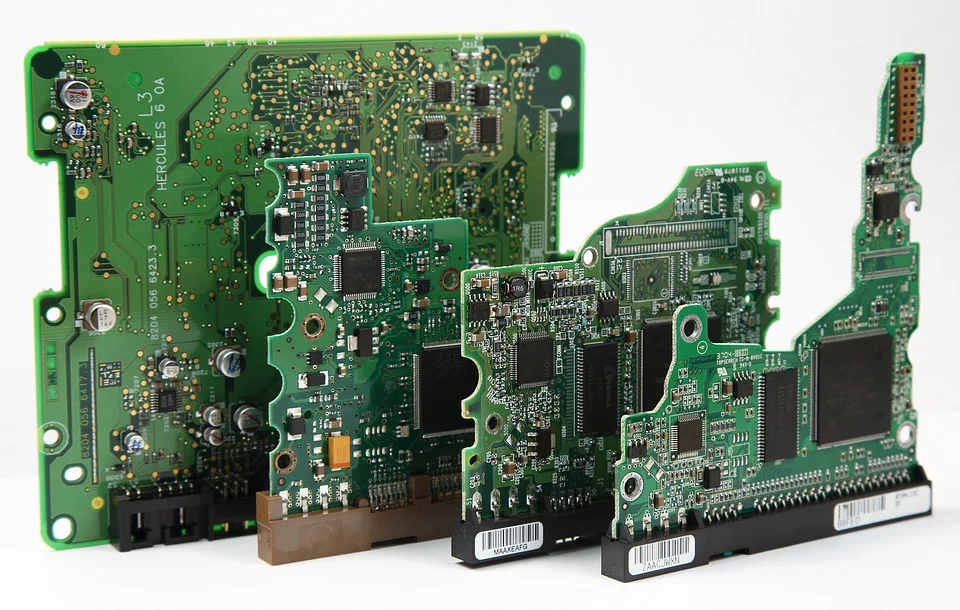
Printed Circuit Boards (PCBs) may not be the flashiest component in the tech world, but they are crucial to the functionality of countless electronic devices we use daily. Companies like Global Well PCBA have emerged as leaders in delivering high-quality, specialized PCBs for industries such as telecommunications, robotics, medical devices, and more. So, what makes Global Well PCBA stand out in the world of advanced PCB solutions? Let’s explore their expertise, unique product offerings, and the applications that drive innovation forward.

What Makes Global Well PCB Unique?

Global Well PCBA has carved out a niche by prioritizing both quality and innovation. Their technical expertise enables them to develop customized solutions that address specific needs across various sectors. While many companies manufacture PCBs, few can match the advanced solutions and comprehensive services Global Well PCB provides.

Understanding Technical Expertise

Technical expertise in the PCB industry refers to the in-depth knowledge and capability to design, manufacture, and test PCBs that meet rigorous standards. Global- Well PCBA has invested in state-of-the-art equipment and employs a team of skilled engineers who understand the intricate requirements of different PCB types. This expertise is key to producing reliable PCBs that perform optimally in demanding environments.

Types of Advanced PCBs Offered

Global Well PCBA specializes in various advanced PCBs, catering to industries that require precision and durability. Two of their most notable offerings include Rigid-Flex PCBs and High-Frequency PCBs. Let’s take a closer look at each type.

Rigid-Flex PCBs Explained

Rigid-Flex PCBs combine elements of both rigid and flexible circuit boards. Imagine the backbone of a sturdy, inflexible structure supporting flexible branches. These PCBs allow for three-dimensional configurations, making them ideal for complex electronic devices where space is limited but performance is paramount. Rigid-Flex PCBs are often used in consumer electronics, medical devices, and industrial equipment.

High-Frequency PCBs: What Are They?

High-Frequency PCBs are engineered to operate at frequencies above 1 GHz. They are vital in industries like telecommunications and aerospace, where signal integrity and reduced interference are critical. By using specialized materials, Global Well PCBA ensures that these PCBs maintain their performance even at high speeds, making them a go-to solution for devices that need fast data transmission without compromising signal quality.

PCB Applications in Various Industries

The applications of PCBs are as varied as the industries they serve. Here are some key areas where Global Well PCBA’s products make a significant impact:

Telecommunications and Connectivity

In telecommunications, the demand for fast, reliable, and high-capacity data transmission is ever-increasing. Global Well PCBA’s high-frequency PCBs help facilitate this need, enabling faster and more secure communication between devices, especially in network towers, modems, and satellites.

Robotics and Automation

Robots and automated systems depend on PCBs for precision and functionality. In robotics, PCBs control everything from movement to sensory inputs, playing an essential role in tasks that demand accuracy. Global Well PCBA’s Rigid-Flex PCBs are especially popular in robotics due to their adaptability in limited spaces and their robust performance.

Healthcare and Medical Devices

In healthcare, PCBs are integral to devices such as MRI machines, pacemakers, and diagnostic tools. These applications require ultra-reliable PCBs due to their life-saving functions. Global Well PCBA ensures that their PCBs are manufactured to meet the stringent standards required in the medical industry, where even a minor malfunction could be critical.

Energy and Power Applications

PCBs in the energy sector must withstand extreme conditions and handle high power loads. Global Well PCBA’s advanced PCBs offer solutions that cater to the high-power demands of renewable energy systems and smart grids. These PCBs help control energy flow and monitor critical components in power systems, ensuring efficiency and stability.

Why Choose Global Well PCBA?

Global Well PCBA’s strength lies not only in their product quality but also in their commitment to customer satisfaction. They collaborate closely with clients, offering insights into design and materials to ensure that each product meets the specific needs of its application. Their after-sales support and dedication to building long-term partnerships set them apart from competitors.

Environmental Sustainability Efforts

Environmental responsibility is another core value at Global Well PCBA. They adopt sustainable manufacturing processes to minimize waste, conserve resources, and reduce emissions. By prioritizing eco-friendly practices, Global Well PCBA contributes to a greener future, which is increasingly important in today’s environmentally-conscious world.

Conclusion

Global Well PCBA stands out as a leader in the PCB industry, providing innovative solutions tailored to diverse industries. With their technical expertise and commitment to quality, they meet the unique demands of sectors like telecommunications, robotics, healthcare, and energy. Whether it’s Rigid-Flex PCBs for complex, confined spaces or High-Frequency PCBs for fast, reliable signal transmission, Global Well PCBA remains at the forefront of advanced PCB technology.


FAQs on Global Well PCBA

1. What types of advanced PCBs does Global Well PCBA offer?
Global Well PCBA offers Rigid-Flex PCBs and High-Frequency PCBs, both tailored to meet high-performance standards in industries like telecommunications, robotics, and healthcare.

2. Why are Rigid-Flex PCBs ideal for robotics?
Rigid-Flex PCBs can fit into confined spaces while maintaining strength and flexibility, making them suitable for complex robotic systems that require reliable performance.

3. How do High-Frequency PCBs benefit telecommunications?
High-Frequency PCBs ensure fast, reliable data transmission with minimal signal interference, essential for telecommunications equipment that handles high data loads.

4. Is Global Well PCBA committed to sustainable practices?
Yes, Global Well PCBA follows eco-friendly manufacturing processes to reduce waste and conserve resources, showing their commitment to environmental sustainability.

5. What sets Global Well PCBA apart from other PCB manufacturers?
Their technical expertise, attention to quality, and dedication to customer satisfaction make Global Well PCBA a trusted choice in the PCB industry.

4o

Exploring the WPS Website: Your Ultimate Guide to Free Office Tools

Exploring the WPS Website: Your Ultimate Guide to Free Office Tools

Exploring the WPS Website offers a comprehensive suite of free office tools, making it a go-to platform for individuals and businesses. Whether you’re a student working on assignments, professional managing documents, or simply looking for an accessible alternative to paid office software, the WPS website provides a powerful, user-friendly solution. This guide will explore how to navigate the WPS website, its key features, and why it’s an excellent choice for all your office tasks.

Introduction to WPS Office Suite

WPS Office is a versatile and widely-used office suite that includes Writer (word processing), Spreadsheets (data management), and Presentation (slideshows). It’s compatible with other major office suites, including Microsoft Office, making it easy to transition between different platforms. WPS Office offers cloud-based services, enabling users to access their documents from any device.

While WPS is a downloadable application, the website also provides many online tools, allowing users to work directly from their web browsers. This is especially useful for those who prefer not to install software or anyone using shared or public devices.

Key Features of the WPS Website

The WPS website is designed to be intuitive and easy to navigate. All the tools and resources you need are accessible from the homepage. Below are some of the top features that make it stand out.

Free Access to Office Tools

One of the most appealing aspects of the WPS website is that it offers free access to its core office tools. You can create, edit, and save documents without a subscription. The free version includes essential features, and for those who require advanced functionalities, there’s a premium option that unlocks even more capabilities.

Cloud Integration

WPS integrates seamlessly with its cloud service, allowing you to store, share, and collaborate on documents from anywhere. With just a few clicks, you can upload documents to the cloud and access them on different devices. The cloud service is secure and provides a convenient way to back up your work.

Templates for Various Needs

The WPS官网 website offers a wide range of pre-designed templates that can save you time on document formatting. Whether you need a resume, business report, budget spreadsheet, or presentation, you can find templates to suit your needs. The templates are customizable, so you can easily tailor them to match your personal or professional style.

PDF Tools

The WPS website includes a range of PDF tools in addition to standard office tools. You can convert documents to and from PDF, merge or split PDF files, and compress them to reduce file size. This eliminates the need to use multiple platforms for different file formats, as WPS handles everything in one place.

Cross-Platform Compatibility

The WPS website is designed to work on any device with a web browser. Whether you’re using Windows, macOS, or Linux, you can easily access WPS’s office tools without worrying about compatibility. Additionally, the website’s mobile-friendly design ensures you can work on the go using a tablet or smartphone.

How to Get Started on the WPS Website

Creating an Account

To fully utilize WPS Office’s features, you’ll need to create an account. This simple process involves entering your email address or signing in with Google, Facebook, or Apple. Once registered, you can access your documents across multiple devices, manage your cloud storage, and unlock additional tools.

Navigating the Homepage

The WPS website’s homepage is the central hub for finding all the necessary tools and resources. The main navigation bar at the top of the page links to the various office tools (Writer, Spreadsheets, Presentation, and PDF), the template gallery, and cloud services.

Additionally, the homepage features shortcuts to recent documents and quick access to tutorials and support. This is particularly useful for new users still familiarizing themselves with the platform.

Using the Online Editor

One of the standout features of the WPS下载 website is its online editor. This tool lets you create and edit documents directly in your web browser. You don’t need to download any software, making it a convenient option for users who want quick access to office tools without installing anything.

Select the type of document you want to create (Writer, Spreadsheets, or Presentation) from the homepage to use the online editor. You can either start with a blank document or choose from one of the many templates available.

Collaborating on Documents

The WPS website makes it easy to collaborate on documents in real-time. With cloud integration, you can share your documents with colleagues or friends by generating a shareable link. You can also assign editing permissions, allowing others to view or edit the document as needed. This is particularly useful for group projects, business reports, or multiple people must contribute to a document.

Benefits of Using the WPS Website

Free and Accessible

One of the most significant advantages of the WPS website is its free access to a wide range of office tools. Whether you’re on a budget or don’t want to commit to a paid office suite, WPS provides a reliable and feature-rich alternative. The free version includes everything you need for basic office tasks, with no hidden fees or forced upgrades.

Cross-Device Functionality

With the WPS website, you can seamlessly switch between devices without worrying about compatibility issues. The platform’s cloud-based nature means that your documents are always accessible, whether you’re using a laptop, desktop, or mobile device. This is particularly helpful for professionals who need to work on the go or access their documents from different locations.

Regular Updates and Improvements

The WPS team regularly updates its platform, adding new features and improving functionality based on user feedback. This ensures that WPS remains competitive with other office suites and continues to meet its users’ evolving needs.

Security and Privacy

The WPS website takes user privacy and data security seriously. All documents stored in the cloud are encrypted, and the platform complies with international data protection standards. You can also enable two-factor authentication for an added layer of security, ensuring that your documents are protected from unauthorized access.

A powerful and easily accessible platform

The WPS website is a powerful and accessible platform that offers everything you need for office productivity, whether managing documents, creating presentations, or working on spreadsheets. With free access to its core tools, cloud integration, and a wide range of templates, it’s an excellent choice for individuals, students, and professionals.

By taking advantage of its many features, including PDF tools and real-time collaboration, users can enhance their productivity without investing in expensive software. Whether you’re a seasoned professional or a new user, the WPS website is a reliable, user-friendly solution for all your office needs.

Breaking Down the Benefits of a 401(k) Retirement Plan

Breaking Down the Benefits of a 401(k) Retirement Plan


Post Preview of Breaking Down the Benefits of a 401(k) Retirement Plan

Key Takeaways:

  • Define what a 401(k) retirement plan is and the benefits it offers.
  • Clarify eligibility requirements, contribution limits, and their impact on gathering retirement wealth.
  • Explore various investment options available within a 401(k) and how to choose wisely.
  • Discuss strategies for effectively managing and withdrawing from your 401(k) funds.
  • Identify additional retirement planning strategies that complement a 401(k) plan.

Table of Contents:

  1. Understanding 401(k) Retirement Plans
  2. Eligibility and Contribution Limits
  3. Investment Choices within 401(k) Plans
  4. Managing Your 401(k) Account
  5. 401(k) Fees and Expenses
  6. The Role of Employers in 401(k) Plans
  7. 401(k) Loans and Early Withdrawals
  8. Retirement Planning Beyond the 401(k)
  9. Preparing for Retirement: Withdrawal Strategies
  10. Staying Informed: The Latest 401(k) News and Trends

Understanding 401(k) Retirement Plans

Understanding and leveraging a 401(k) plan is paramount when securing your financial future. This employer-sponsored plan is a premier retirement savings vehicle for several reasons. Employees can make pre-tax contributions directly from their paycheck, reducing their taxable income and allowing their savings to grow tax-deferred until they withdraw the funds during retirement. The result is a powerful compounding effect, enabling employees to build significant long-term wealth.

Another advantage of a 401(k) plan is the potential for employer matching contributions, which can turbocharge the employee’s savings efforts. This is when employers contribute additional funds to the employee’s 401(k) account, often matching a percentage of the employee’s contributions. Freey becomcritical part of the employee’s retirement portfolio, essentially serving as an additional earnings boon.

Eligibility and Contribution Limits

Eligibility to participate in a 401(k) often begins on the first day of employment or after a service period determined by the employer. All contributions, however, have an annual upper limit set by the Internal Revenue Service (IRS). These limits can change year to year, emphasizing the need for employees to remain vigilant and informed. Additionally, employees aged 50 and over can make catch-up contributions, thereby enhancing their ability to save more as they approach retirement age.

Investment Choices within 401(k) Plans

Within a 401(k) plan, investment options can vary widely and typically include a mix of mutual funds across different asset classes such as stocks, bonds, and money market investments. This variety allows participants to diversify their portfolios, which can help manage risk. Employees often have the liberty to align their investment picks with their personal financial targets, investment horizon, and risk tolerance, underscoring the importance of a tailored investment strategy.

Managing Your 401(k) Account

The active and informed management of a 401(k) is instrumental for ensuring that the savings strategy remains on track. This includes monitoring fund performance, adjusting investment allocations, and re-assessing risk profiles. Many 401(k) providers offer tools and resources to help with this, including online platforms that provide detailed account analysis, performance metrics, and educational content—all designed to empower employees to make informed investment decisions.

401(k) Fees and Expenses

All 401(k) plans entail certain fees and expenses that can impact overall returns. These fees come in various forms, such as administrative fees, fund management fees, and potential individual service fees for loans or investment advice. Even small fee percentages can substantially eat into savings over long periods. Thus, having a handle on the fee structure of your plan and ensuring those fees are competitive is crucial for any investor focused on maximizing their retirement wealth.

The Role of Employers in 401(k) Plans

Employers facilitate the setup and maintenance of 401(k) plans, including determining the structure of matched contributions and setting rules around vesting—how long an employee must work at a company before gaining ownership of employer-contributed funds. The selection of investment offerings and the oversight of plan operations also fall under the employer’s purview. Therefore, an employer’s role extends beyond merely providing a retirement plan; it is a gatekeeper to its viability and effectiveness.

401(k) Loans and Early Withdrawals

It’s not uncommon for employees to contemplate 401(k) loans or early withdrawals in times of financial need. While both are permissible within certain guidelines, they have complex tax implications and potential penalties. These include the possibility of immediate tax liability and early withdrawal penalties if the borrowed funds are not repaid according to the terms, and limitations apply to how soon withdrawn funds can be replaced.

Retirement Planning Beyond the 401(k)

Beyond the 401(k) sphere, retirement planning might also include Individual Retirement Accounts (IRAs), health savings accounts (HSAs), annuities, and personal investment portfolios. Each vehicle serves a different purpose and comes with unique benefits and constraints. By diversifying retirement savings across multiple accounts and asset types, individuals can craft a more resilient financial strategy that aligns with their specific needs and retirement visions.

Preparing for Retirement: Withdrawal Strategies

As retirement age approaches, drawing down on these savings becomes a primary concern. Crafting a withdrawal strategy that factors in tax implications, Required Minimum Distributions (RMDs), and personal living expenses is essential for ensuring financial stability in one’s golden years. Decisions around when to begin taking Social Security benefits also play into these strategies, further emphasizing the need for a comprehensive financial plan.

Staying Informed: The Latest 401(k) News and Trends

The retirement planning landscape is always changing, with shifts in economic conditions, evolving tax laws, and the introduction of new savings tools. Staying informed on the latest 401(k) news and trends is vital for adapting strategies to these changes. Understanding upcoming legislation, interest rate adjustments, and industry innovations can heavily influence the effectiveness of retirement planning.

Recent developments like the increased focus on retirement plans tailored for small businesses and the attention on planning for retirement amidst an inflationary period underscore the importance of keeping a keen eye on industry movements. As financial landscapes evolve, so should the strategies for ensuring a secure and bountiful retirement.

How to Enhance Privacy and Security on Telegram

How to Enhance Privacy and Security on Telegram

Security is paramount in today’s digital age, especially when using messaging platforms like Telegram. Known for its robust security features, Telegram offers users various tools to protect their conversations and personal information. This guide will explore practical steps to enhance your privacy and security on Telegram, ensuring your communications remain confidential and secure.

Understanding Telegram’s Security Features

Telegram stands out among messaging apps 电报app for its robust security protocols. Here are some key features:

  • End-to-end Encryption: While standard chats are encrypted, Telegram’s Secret Chats offer end-to-end encryption, meaning only you and the recipient can read the messages.
  • Self-Destructing Messages: In Secret Chats, you can set messages to self-destruct after a specific time, ensuring that sensitive information doesn’t remain on devices.
  • Two-Step Verification: This feature adds a layer of security by requiring a password and your phone number to log in.
  • Cloud-Based Storage: Telegram stores your messages in the cloud, enabling access from multiple devices while maintaining security.

Setting Up Two-Step Verification

To enhance your security, enable two-step verification:

Open Telegram and go to Settings.

Tap on Privacy and Security.

Select Two-Step Verification and follow the prompts to set up a password.

You will also set a recovery email to help regain access if you forget your password.

Utilizing Secret Chats

For compassionate conversations, utilize Telegram’s Secret Chats feature:

How to Start a Secret Chat: Open the contact’s profile, tap on the three dots, and select “tart Secret Chat.” This will ensure your messages are end-to-end encrypted.

Setting Self-Destruct Timers: You can set a timer for messages to self-destruct, adding another layer of security for sensitive discussions.

No Forwarding: Messages in Secret Chats cannot be forwarded, preventing unintended sharing.

Managing Privacy Settings

Adjusting your privacy settings can significantly enhance your security:

Go to Settings and select Privacy and Security.

Manage who can add you to groups and channels. Use the” ho Can Add Me to Groups” setting to restrict unwanted additions.

Protecting Your Account from Unauthorized Access

To prevent unauthorized access to your Telegram account:

Log Out from Unused Devices: Regularly check and log out from devices you no longer use. Go to Settings > Devices to view and manage connected devices.

Be Cautious with Links and Files: Avoid clicking on unknown links or downloading files from untrusted sources, as they may contain malware.

Use Strong Passwords: Ensure your Telegram中文版 account is protected with a strong password, mainly if you use two-step verification.

Understanding Telegram’s Bot and Channel Security

When engaging with bots and channels, ensure your security:

Verify Bot Authenticity: Only use bots from trusted sources. Check the profile for verified badges or information.

Be Cautious with Channels: When joining channels, ensure they are reputable. Private channels may contain unverified content.

Regularly Review Your Privacy Settings

Regularly auditing your privacy settings is essential for maintaining security:

Check Active Sessions: Periodically review your active sessions in Settings > Devices. Log out from any devices you don’t recognize.

Update Privacy Settings: Reassess your privacy settings based on your current needs. Adjust who can see your information and who can contact you.

Staying Informed About Security Updates

Telegram regularly updates its security features. Stay informed by:

  • Following Telegram’s Official Blog: Telegram announces security updates and new features on its official blog.
  • Joining Security-Focused Channels: Subscribe to channels dedicated to online security to receive tips and updates.

Enhancing your privacy and security on Telegram

Enhancing your privacy and security on Telegram is crucial for protecting your personal information and communications. By utilizing Telegram’s built-in security features, setting up two-step verification, and regularly reviewing your privacy settings, you can enjoy a safer messaging experience. In a world where digital security is increasingly vital, taking proactive measures to secure your Telegram account is essential. Embrace these practices to ensure your conversations remain private and secure.

Top Sogou Browser Extensions to Enhance Your Browsing Experience

Top Sogou Browser Extensions to Enhance Your Browsing Experience

Sogou Browser Extensions offers users the opportunity to enhance their browsing experience in various ways. Sogou Browser, known for its speed and simplicity, becomes even more powerful when paired with the right extensions. Browser extensions allow users to customize their browsing experience by adding additional functionalities, from ad blocking to enhanced security features. In this article, we’ll explore some of the top Sogou Browser 搜狗浏览器 extensions that can significantly boost your productivity, security, and browsing enjoyment.

Ad Blockers for a Clean and Fast Browsing Experience

One of the most popular categories of extensions for any browser is ad blockers. These extensions remove intrusive advertisements that slow down page loading times and clutter the browsing experience.

With an ad blocker installed on the Sogou Browser, users can enjoy a cleaner, more streamlined experience. AdGuard is an excellent example of a robust ad-blocking extension that filters out ads while also offering protection against trackers and phishing sites. This extension ensures that users can surf the web distraction-free, with faster load times and greater privacy.

Privacy Extensions to Safeguard Your Data

In today’s digital landscape, safeguarding your online privacy is crucial. Sogou Browser users can enhance their privacy settings through various extensions that prevent data tracking and unauthorized access to personal information.

Privacy Badger, for instance, automatically blocks trackers that follow you across the web. It learns from your browsing behavior and gradually identifies trackers, blocking them before they can collect data. This makes it an excellent choice for users who are concerned about their online privacy but prefer a set-it-and-forget-it solution.

Another powerful extension in this category is Ghostery. This tool not only blocks ads but also provides insights into the trackers present on each website, giving users more control over their browsing data. Ghostery is designed to protect users from data mining and helps create a safer online environment by minimizing exposure to intrusive web elements.

Password Managers for Secure and Convenient Login

Remembering multiple passwords can be a hassle, and that’s where password manager extensions come into play. They store all your login credentials securely and allow you to access them with a single master password.

LastPass is one of the leading password manager extensions that seamlessly integrates with the Sogou Browser. It securely stores all your passwords, auto-fills login fields, and even generates strong, unique passwords for new accounts. By using LastPass, users no longer need to worry about weak passwords or having to remember multiple login details.

Bitwarden is another excellent password manager for users seeking an open-source solution. With Bitwarden, passwords are encrypted on your device, so only you have access to your login information. Bitwarden also offers features like secure password sharing and the ability to sync your vault across multiple devices, making it a versatile option for both individuals and teams.

Productivity Extensions to Stay Organized

For users looking to boost productivity while using the Sogou Browser 搜狗浏览器下载, there are several extensions designed to help streamline tasks and stay organized. Evernote Web Clipper, for example, allows you to easily save web pages, articles, or snippets of information directly into your Evernote account. It’s perfect for research or gathering information for future reference.

Todoist is another productivity extension that helps users manage their to-do lists directly within the Sogou Browser. With Todoist, you can create tasks, set deadlines, and track your progress, all without leaving your current tab. It’s an invaluable tool for anyone looking to stay on top of their tasks while browsing the web.

For users who often juggle multiple tabs, Tab Manager Plus is a must-have extension. This tool organizes and manages your tabs efficiently, allowing you to quickly switch between tabs, close unused ones, and reduce memory usage. It’s an excellent way to keep your browsing experience clutter-free, especially for those who work with many open tabs at once.

Extensions for Enhanced Security

In addition to ad blockers and privacy tools, there are security-focused extensions designed to protect your Sogou browsing experience from online threats. HTTPS Everywhere is an essential extension that automatically forces websites to load in the more secure HTTPS version. This ensures that your browsing data is encrypted, protecting it from potential eavesdroppers.

For users who frequently deal with sensitive information, uMatrix is an excellent option. It gives you complete control over what scripts and elements run on websites. With uMatrix, you can block third-party scripts, iframes, and other resources that could potentially compromise your security. Though this extension requires some initial setup, it offers unparalleled customization and control for security-conscious users.

NoScript is another powerful security extension that blocks JavaScript, Java, Flash, and other potentially harmful content unless explicitly allowed by the user. It’s an effective way to protect against clickjacking, cross-site scripting (XSS), and other malicious attacks.

Shopping and Price Comparison Tools

For online shoppers, having an extension that helps you find the best deals and track prices is invaluable. Honey is one of the most popular price comparison extensions available for the Sogou Browser. It automatically finds and applies coupon codes when you’re shopping online, helping you save money without any extra effort.

Another handy extension for price-conscious shoppers is Keepa. This tool tracks Amazon’s price history and alerts you when prices drop, ensuring that you always get the best deal. Keep as detailed graphs show price fluctuations over time, helping users make informed purchasing decisions.

Extensions for Improved Reading and Content Consumption

Sogou Browser users who spend a lot of time reading articles or browsing content will find value in extensions that improve the readability and presentation of online content. Pocket, for instance, allows users to save articles, videos, and other content to view later. It’s beneficial for those who come across exciting content but don’t have time to read it immediately.

For users who want to reduce visual clutter and focus on the text, Mercury Reader is an excellent option. This extension removes all distractions from a web page, leaving only the main content in a clean, easy-to-read format. Mercury Reader is perfect for users who prefer a more minimalist reading experience without ads, sidebars, or other unnecessary elements.

Another fantastic tool for content consumers is Grammarly, which helps with writing by offering real-time grammar and spelling corrections. Whether you’re writing emails, social media posts, or filling out forms, Grammarly ensures that your text is polished and error-free.

Social Media Extensions for Seamless Sharing

If you frequently share content on social media, several extensions can make this process more efficient. Buffer allows users to schedule posts across various social media platforms, making it easier to maintain a consistent presence online. With Buffer, you can plan and schedule your posts for Twitter, Facebook, LinkedIn, and more, all from within the Sogou Browser.

Another handy extension for social media enthusiasts is RiteTag, which helps you find the best hashtags for your social media posts. By analyzing real-time data, RiteTag suggests hashtags that can increase your content’s visibility and engagement, making it easier to reach your target audience.

A series of extensions for the Sogou Browser

Sogou Browser Extensions offers users the opportunity to enhance their browsing experience in various ways. Whether you’re looking to improve privacy, streamline productivity, secure your browsing sessions, or find better deals while shopping online, there’s an extension to suit your needs. By installing the right combination of extensions, you can customize the Sogou Browser to work smarter and more efficiently, creating a browsing experience tailored to your preferences. With these tools at your disposal, your time spent online can be more productive, secure, and enjoyable.